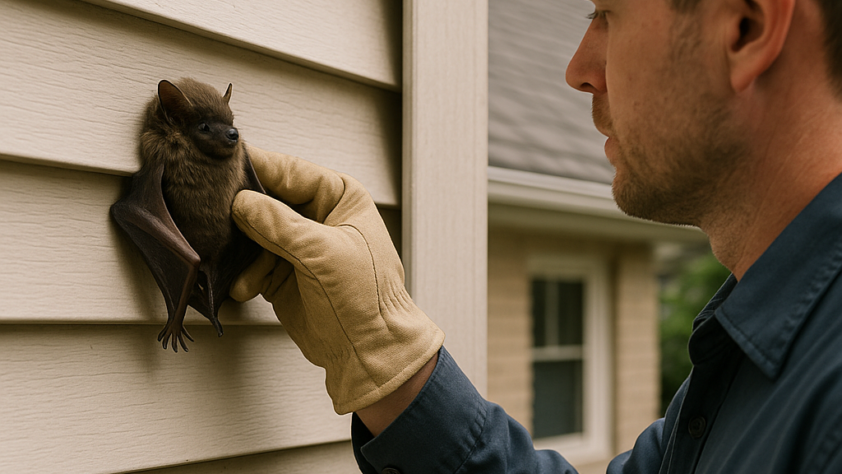
Bats fluttering in your attic or swooping around your home can startle any Newmarket homeowner. In fact, these nocturnal creatures eat vast numbers of insects. Still, their presence indoors can pose health risks and structural damage. This guide explains how to deal with bats safely and humanely, and how to find bat removal Newmarket homeowners can trust. First, confirm the bats are there. Then, act at the right time.
Understanding Bats in Newmarket: Why They’re There
In fact, Newmarket’s lush landscapes and nearby natural areas attract several bat species. The Little Brown Bat and the Big Brown Bat are the most common. These bats are incredibly beneficial. They act as natural pest control. Each night, they eat thousands of mosquitoes and agricultural pests. However, when development disturbs their natural habitats, they often seek refuge in man-made structures.
As a result, your home can seem like an ideal roosting spot. Its warm, dark, secluded spaces include attics, eaves and wall voids. Bats are not intentionally trying to invade your space; they are simply looking for a safe, dry, and temperature-stable environment to raise their young or hibernate. So understanding their motivations is the first step toward humane bat removal.
Common Bat Species and Their Habits
For example, in Ontario, including the Newmarket area, the most commonly encountered bats in homes are the Little Brown Bat (Myotis lucifugus) and the Big Brown Bat (Eptesicus fuscus). Both species are insectivorous and typically nocturnal.
- Little Brown Bats are small, with a wingspan of about 22 to 27 cm. They prefer warm, humid environments for roosting, often found in attics, barns, and other buildings. Federal law protects this species because White-Nose Syndrome has cut its numbers sharply.
- Big Brown Bats are larger, with a wingspan of 30 to 35 cm. They are more tolerant of cooler temperatures and can be found in a wider variety of structures, including homes. They often seek out warmer spots for winter hibernation.
Both species form maternity colonies in spring and summer, where females gather to give birth and raise their pups. For this reason, this period, typically from May to August, is critical, as pups are flightless for several weeks. Disturbing a colony during this time can trap flightless young inside or leave them abandoned. This is both inhumane and often illegal under wildlife protection laws. Any bat removal efforts must carefully consider this sensitive period.
Identifying Bat Presence and Entry Points
Before you undertake any bat removal, confirm that bats are the culprits. Then pinpoint exactly how they get in. Misidentification or incorrect assumptions can lead to ineffective or harmful attempts at exclusion. Vigilance and careful observation are crucial steps in this process.
Signs of a Bat Infestation
Bats are nocturnal, so you might not see them during the day. However, they leave tell-tale signs:
- Guano accumulation: bat droppings (guano) look like dark rice grains. They often crumble into dust when touched, unlike harder rodent droppings. You might find guano in your attic, along exterior walls, or on windowsills below entry points.
- Squeaking or scratching noises: bats are generally quiet. Still, you might hear faint squeaks or scratching from your attic or walls around dusk or dawn, when they leave or return.
- Stains: greasy or brownish rub marks can appear around entry points on your home’s exterior. The oils in bats’ fur cause them.
- Bat sightings: the most obvious sign is bats flying in or out of your home around dusk or dawn. Watch your roofline, chimney, vents, and eaves during these times.
Locating Entry and Exit Points
Bats can squeeze through incredibly small openings, as little as 6 millimetres. That is roughly the size of a human thumb. Identifying these tiny cracks and crevices is vital for successful exclusion.
- Inspect your roofline: pay close attention to gaps where the roof meets the fascia board, loose or damaged shingles, and any openings around flashing.
- Next, check vents and chimneys: ensure all attic, soffit, and gable vents are properly screened. Chimneys should have caps.
- Examine eaves and fascia boards: look for gaps, deteriorating wood, or missing sections.
- Scrutinize windows and doors: check for any small openings around frames or utility penetrations.
- Look for signs of drafts: on a windy day, stand in your attic and feel for air currents, which might indicate a hidden entry point.
In fact, observing bats exiting or entering at dusk or dawn is the best way to confirm the active entry points. Sit quietly outside your home and watch. Bats will typically use the same routes repeatedly.
Bat Removal Newmarket: The Humane Approach
Humane bat removal is not only ethical; the law often requires it, particularly for protected species. It focuses on excluding bats from your home without harming them, allowing them to find alternative roosts. Therefore, this approach requires patience, careful planning, and adherence to specific seasonal guidelines.
Why Humane Exclusion Is Essential
The Fish and Wildlife Conservation Act protects bats in Ontario. The Little Brown Bat is one endangered species. This means it is illegal to kill, harm, or harass bats. Furthermore, the law prohibits excluding bats during their maternity season (typically May to August).
- Protecting bat populations: humane methods prevent injury or death, supporting struggling bat populations crucial for insect control.
- Avoiding legal repercussions: adhering to regulations prevents fines and legal charges.
- Preventing future issues: dead bats can attract other pests and cause unpleasant odours. Trapped bats can also die inside your walls, leading to significant cleanup. Humane exclusion allows them to escape and find another home.
Timing Your Bat Removal Efforts
Timing is paramount for humane bat removal. First, note that the optimal window for exclusion is outside the maternity season, which is generally from late August through April.
- Late summer/early fall (August to October): this is an ideal time. Pups are old enough to fly and forage independently. Bats are preparing for hibernation and will readily seek new roosts.
- Early spring (March to April): before bats establish maternity colonies, this is another good window. However, temperatures can still be quite low. If a cold snap hits, bats might struggle to find new, warm roosts.
- Avoid May to August: during these months, female bats give birth and raise their young. Excluding them now would trap flightless pups inside, leading to their starvation and decomposition. Mothers, unable to return to their young, would be distressed. This is inhumane and illegal.
Implementing Safe and Effective Bat Exclusion
Once you’ve identified the entry points and confirmed the best time for bat removal, implement a one-way exclusion device. This allows bats to leave your home but prevents them from re-entering. This is the cornerstone of effective and humane bat removal.
Using One-Way Exclusion Devices
A one-way exclusion device, often called a bat valve or bat cone, lets bats exit a building without finding their way back in. Manufacturers typically make these devices from lightweight mesh, screening, or PVC piping.
- Identify all entry points: carefully inspect your home for every possible opening, no matter how small.
- Install the device: secure the one-way device over the primary entry/exit points. Ensure it is firmly attached and covers the entire opening. Leave no gaps through which bats could re-enter or bypass the device. The design should let bats drop down and fly away. It should also stop them from climbing back up and re-entering the hole.
- Seal secondary openings: once the one-way devices are in place, seal all other potential entry points around your home. Use caulk, expanding foam, or mesh screening. This step is critical. It stops bats from finding a new way in when they try to return to their old roost.
- Monitor and wait: allow the devices to remain in place for at least 3 to 7 days. Use a longer period if temperatures stay cold or during migration, so all bats have a chance to exit. Observe at dusk to see bats exiting.
Post-Exclusion Sealing and Cleanup
After all bats have safely left your home through the one-way devices, do the final sealing and cleanup. This prevents future infestations and addresses any lingering health concerns.
- Remove devices and seal: carefully remove the one-way exclusion devices. Then permanently seal the entry points with durable materials like metal flashing, heavy-gauge screening, or a high-quality sealant. Ensure these seals are robust enough to withstand weather and prevent future breaches.
- After that, inspect for new entry points: conduct a final, thorough inspection of your entire home exterior to ensure no new weaknesses have emerged. Bats are persistent and will exploit any vulnerability.
- Finally, clean up guano: bat guano can accumulate significantly. It may contain spores of a fungus that causes histoplasmosis, a respiratory disease. When cleaning, wear appropriate personal protective equipment, including a respirator (N95 or higher), gloves, and protective clothing.
- Dampen the guano: lightly misting the guano with water helps prevent spores from becoming airborne.
- Scoop and bag: carefully scoop the dampened guano into heavy-duty plastic bags.
- Sanitize the area: use an enzyme-based cleaner or a disinfectant spray on affected surfaces.
- Attic insulation: a professional may need to remove and replace heavily contaminated insulation. Ontario explains how to prevent conflicts with bats in its official guide.
Preventing Future Bat Infestations
The best offense is a good defense. This holds true for keeping bats out of your Newmarket home. Once you’ve successfully completed bat removal, proactive measures are essential to ensure they don’t return. Ongoing maintenance and vigilance are key to long-term prevention.
Home Maintenance and Proofing Strategies
In fact, a well-maintained home is far less appealing and accessible to bats. Regular inspections and timely repairs can save you from future bat removal headaches.
- Seal all cracks and crevices: routinely inspect your home’s exterior. Look for gaps in siding, foundation, or around windows and doors. Use a good quality, durable sealant to close these openings. Remember, bats can fit through very small spaces.
- Screen all openings: fit all attic vents, soffit vents, and gable vents with sturdy, bat-proof screening. Check that screens are intact and securely fastened. Chimneys should have animal-proof caps.
- Repair damaged fascia and soffit: look for signs of deterioration or damage to your roofline, eaves, and soffit panels. Promptly repair or replace any compromised sections.
- Check utility penetrations: seal tightly any areas where pipes, wires, or cables enter your home.
- Consider light deterrents: while not a primary solution, bats prefer dark roosts. Installing motion-sensor lights in areas prone to bat activity can sometimes act as a deterrent. Try attics or under eaves, though this is secondary to physical exclusion.
Long-Term Monitoring and Awareness
Even after sealing your home, it’s wise to remain aware of your surroundings and conduct periodic checks. In addition, bats are opportunistic and highly adaptable.
- Seasonal inspections: make it a habit to inspect your home’s exterior, especially your roofline and attic, a few times a year. Pay particular attention in early spring and late summer.
- Educate your family: ensure everyone in your household understands why they should not disturb bats. Teach them the signs of bat presence.
- Be mindful of changes: if you notice new noises in the attic, strange stains on your exterior, or bats flying too close to your home at dusk, investigate promptly. Early detection can prevent a minor issue from becoming a full-blown infestation requiring extensive bat removal efforts.
When to Call a Professional for Bat Removal Services
While DIY bat removal is possible for minor issues, professional help is often necessary. For complex infestations or those requiring specialized equipment, contacting an expert ensures safety, legality, and effectiveness.
Complex Infestations and Difficult Access
If your bat problem seems overwhelming or inaccessible, a professional bat removal company is your best bet.
- Large colonies: if you suspect a significant number of bats, the sheer scale of the exclusion and cleanup can be daunting and potentially hazardous. Professionals have the experience and equipment to handle large colonies safely.
- Hard-to-reach areas: bats often roost in difficult or dangerous locations. They may roost high up on multi-story homes, inside chimneys, or deep within wall voids. Professionals have specialized ladders, safety gear, and tools to access these areas safely.
- Unknown entry points: if you’ve tried to locate entry points without success, experts can help. They use thermal imaging cameras or other specialized techniques to pinpoint hidden access points.
- Structural damage: extensive guano buildup can lead to structural damage or contamination of insulation. A professional can assess the damage and provide remediation services. These include guano removal and insulation replacement, which are critical for health and home integrity.
Health Concerns and Legal Compliance
In fact, dealing with bats involves potential health risks and strict legal requirements, making professional intervention a wise choice.
- Health risks: as mentioned, bat guano can harbor the fungus that causes histoplasmosis. There’s also the rare but serious risk of rabies. Handling bats or their droppings without proper protection can be dangerous. Professionals train in safety protocols and carry the necessary personal protective equipment (PPE).
- Legal compliance: wildlife protection laws regulate bat removal in Ontario, especially concerning maternity season and protected species. Professionals are up-to-date on these regulations and ensure all bat removal efforts are compliant, preventing potential legal issues for homeowners. They know the correct timing and methods to use to avoid harming bats.
- Guaranteed results: reputable bat removal services often provide warranties for their work. This offers peace of mind that your home will remain bat-free. They will ensure workers properly seal all entry points and humanely exclude bats.
Tarzan Wildlife provides humane bat removal Newmarket homeowners trust. Our team inspects your home, excludes bats safely, and seals entry points. Learn more about our bat removal services, our wildlife removal services and our animal control services.
Dealing with bats in your Newmarket home requires a balanced approach that prioritizes both human safety and animal welfare. Each step is crucial. Identify the signs of their presence, pinpoint entry points, use humane one-way exclusion devices, and prevent future infestations. Remember the importance of timing your bat removal efforts outside of the sensitive maternity season to protect these beneficial creatures. Tarzan Wildlife has served GTA homeowners for 16 years. So call 416-899-6537 today to book a bat removal Newmarket inspection.