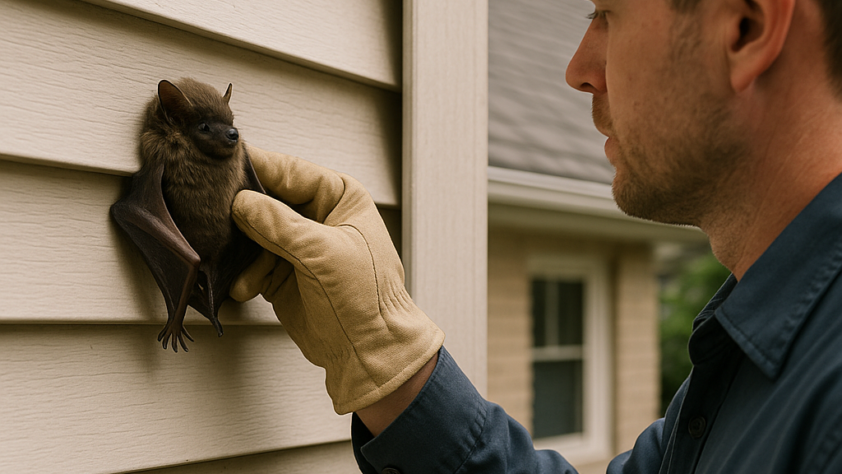
Got a skunk problem Newmarket? Learn expert humane skunk removal tips, prevention strategies and when to call professionals for safe, effective solutions.
Skunk Problem Newmarket: Understanding Your Skunk Problem
Few things disrupt the peace of a Newmarket home quite like the unwelcome presence of a skunk. These nocturnal creatures, known for their potent defensive spray, can turn a serene evening into a smelly nightmare. A skunk problem Newmarket homeowners face usually starts with food, water and shelter close to the house.
Skunks are not inherently aggressive, but they are opportunistic. They seek shelter, food and water, often finding these necessities in abundance around residential areas. Recognizing the signs of a skunk infestation is the first crucial step toward addressing the problem.
Identifying Skunk Presence
Spotting a skunk itself is the most obvious sign, usually at dawn or dusk. However, other indicators can reveal their presence even when they remain unseen. Familiarizing yourself with these clues can help you determine the scope of your skunk problem.
- Odor: The unmistakable, strong, musky smell is the most telling sign. It can linger for days, especially after a skunk has sprayed nearby.
- Digging: Skunks are avid diggers. They will create small, cone-shaped holes in lawns, gardens or flowerbeds as they forage for grubs, insects and roots. These holes are usually shallow, about 3-5 inches wide.
- Tracks: Their tracks show five toes with visible claw marks, often with the heel pad not fully registering. Skunk tracks are similar to cat tracks but with more prominent claws.
- Droppings: Skunk droppings are typically cylindrical, dark and filled with insect remains, berries and seeds.
- Damage to Structures: Skunks may burrow under decks, sheds, porches or even house foundations, potentially weakening structures over time.
When these signs become evident, it is clear you have a skunk problem that requires attention. Ignoring it can lead to more extensive damage, health risks and persistent odour issues.
Skunk Problem Newmarket: Common Entry Points and Attractants
Skunks are drawn to residential properties for simple reasons: food, water and shelter. Understanding what attracts them is the first step in effective prevention.
Identifying Skunk Habitats
Skunks prefer dark, secure and quiet places to nest and raise their young. Your property might include several ideal spots:
- Under Decks and Porches: These areas provide excellent protection from predators and the elements, making them prime real estate for skunks.
- Sheds and Outbuildings: Unsealed sheds or those with damaged foundations offer easy access and shelter.
- Wood Piles and Brush Piles: Accumulated wood or brush provides dense cover, allowing skunks to hide and nest undisturbed.
- Rock Piles and Wall Voids: Similar to wood piles, natural rock formations or gaps in stone walls can provide shelter.
- Abandoned Burrows: Skunks sometimes repurpose burrows dug by other animals, such as groundhogs.
Food Sources That Attract Skunks
Skunks are omnivores with a diverse diet, meaning many common household elements can become attractants:
- Grubs and Insects: Skunks love to dig for insect larvae, earthworms and beetles in lawns and gardens.
- Pet Food: Leaving pet food outdoors, even for short periods, is a major attractant. Skunks, like raccoons, will happily eat it.
- Garbage: Unsecured garbage cans are a buffet for skunks. They will readily rummage through bins for food scraps.
- Compost Piles: If not properly managed and enclosed, compost piles can be a rich source of food.
- Fallen Fruit and Berries: If you have fruit trees or berry bushes, fallen produce can become a food source.
- Bird Feeders: Spilled seeds from bird feeders can attract not only birds but also skunks looking for an easy meal.
By understanding and addressing these attractants and potential habitats, you take a significant step toward preventing skunk encounters.
Ontario’s guidance on preventing conflicts with wildlife explains how to keep a safe distance from wildlife, avoid feeding them and stop attracting them with food, water or shelter. Use that guidance alongside professional help, and never approach or touch a sick or dead animal.
DIY Skunk Deterrents: What Works and What Doesn’t
Before considering professional skunk removal, many homeowners try various DIY methods to deter skunks. Some work well, while others are less effective.
Natural Skunk Repellents
Several natural remedies are often touted as skunk deterrents. While their effectiveness can vary, they may help in some situations:
- Light: Skunks are nocturnal, so bright, motion-activated lights can startle them and make them avoid an area.
- Sound: High-frequency ultrasonic devices are marketed as animal repellents. Their efficacy against skunks is debated, but some homeowners report success.
- Predator Urine: Sprinkling coyote or fox urine around your property is thought to deter skunks by simulating a predator’s presence.
- Spicy Scents: Skunks have a sensitive sense of smell. Mixtures of cayenne pepper, hot sauce or pepper flakes sprinkled around entry points may discourage them.
- Citrus Peels: Some believe that citrus peels (orange, lemon, grapefruit) are unpleasant to skunks and can act as a deterrent.
It is important to remember that skunks can become accustomed to repellents over time if the underlying attractants are not removed.
Physical Barriers for Skunk Prevention
Physical exclusion is often the most effective long-term DIY solution for preventing skunks from accessing your property:
- Fencing: A sturdy fence can be a good deterrent, but skunks are diggers. For effective skunk prevention, bury the bottom of the fence 6-12 inches deep and bend it outward in an L-shape.
- Securing Structures: Seal off all potential entry points under decks, porches, sheds and foundations with heavy-gauge wire mesh.
- Garbage Can Lids: Always use tight-fitting, animal-proof lids on all outdoor garbage cans. Consider securing them with bungee cords.
- Compost Management: Use enclosed compost bins that skunks cannot access. If you have an open pile, turn it frequently and keep it away from structures.
- Clean Up: Regularly clean up fallen fruit, berries and spilled pet food. Do not leave pet food outside overnight.
While DIY methods can offer a first line of defense, they require consistent effort and attention.
The Essentials of Safe and Humane Skunk Removal Newmarket
Once a skunk has taken up residence, direct action becomes necessary. However, handling skunks requires caution, knowledge and the right approach to ensure both your safety and the animal’s well-being.
Trapping Skunks Humanely
If exclusion and deterrents have not worked, humane trapping might be considered. This should ideally be done by a professional, but if you attempt it yourself, follow these guidelines carefully:
- Choosing the Right Trap: Use a live trap (cage trap) that is appropriately sized for a skunk, typically around 10x12x30 inches. Ensure the trap is sturdy and has a solid bottom to prevent the skunk from spraying through the mesh.
- Baiting the Trap: Effective baits include peanut butter, canned cat food, sardines or fruit. Place the bait at the back of the trap to ensure the skunk fully enters.
- Placement: Position the trap on a flat, stable surface near the skunk’s known entry point or den. Cover the trap with a tarp or blanket to calm the animal and reduce the risk of spraying.
- Checking the Trap: Check the trap frequently, at least every few hours, and especially at dawn and dusk. Never leave a trapped animal for an extended period.
- Handling a Trapped Skunk: This is where extreme caution is vital. Approach the covered trap slowly and calmly, speaking in a low, soothing voice. Avoid sudden movements.
- Relocation: Before trapping, understand local regulations in Newmarket regarding wildlife relocation. In Ontario, the Ministry of Natural Resources and Forestry (MNRF) has guidelines on how far animals can be relocated, typically within one kilometre of the capture site, to prevent spreading disease and to give the animal a chance to survive in familiar territory.
Dealing with Skunk Spray
The infamous skunk spray is a primary concern during any skunk encounter or skunk removal effort. It is a potent, oily liquid that clings to skin, fur and clothing.
- For Pets: If your pet is sprayed, act quickly. Do NOT use tomato juice; it only masks the smell temporarily. Instead, use this proven de-skunking solution: 1 quart of 3% hydrogen peroxide, 1/4 cup baking soda, 1-2 teaspoons liquid dish soap. Apply this mixture liberally to your pet’s fur (avoiding eyes and mouth), lather, and let it sit for 5-10 minutes before rinsing thoroughly. Repeat if necessary.
- For People: If sprayed, wash skin and hair immediately with strong-smelling soap and warm water. A mixture of baking soda and vinegar can also help neutralize the odour.
- For Objects and Property: For clothes, wash them separately with a cup of baking soda and a strong detergent. For hard surfaces, a solution of bleach and water can be effective, but test it first on an inconspicuous area.
Dealing with skunk spray is unpleasant, but prompt action with the right solution can largely neutralize the odour.
When to Call the Professionals for a Skunk Problem Newmarket
While DIY methods can be a good starting point, there are definite situations where professional help is not just advisable but necessary.
The Dangers of DIY Skunk Removal
Interacting with wildlife, especially skunks, carries inherent risks that homeowners might underestimate:
- Skunk Spray: The most obvious risk is getting sprayed. The odor is incredibly difficult to remove and can linger for days or weeks.
- Bites and Scratches: A cornered skunk can bite or scratch. Any wildlife bite carries a risk of rabies and other diseases.
- Injury to the Animal: Inexperienced trapping or handling can injure the skunk, causing undue suffering.
- Legal Implications: Trapping and relocating wildlife can be governed by strict local and provincial regulations. Violating these can lead to fines.
- Ineffective Solutions: Without proper understanding of skunk behavior and habitats, DIY attempts often fail to solve the root problem, leading to recurring issues.
Professional Skunk Removal Services
Wildlife control professionals offer a comprehensive, safe and effective solution to your skunk problem:
- Expert Assessment: Professionals will thoroughly inspect your property to identify entry points, den locations and attractants.
- Safe and Humane Trapping: Using specialized live traps, professionals can safely capture skunks without harming them or risking a spray.
- Legal and Humane Relocation: Wildlife experts are aware of local regulations for skunk removal in Newmarket and will relocate animals according to MNRF guidelines.
- Exclusion and Prevention: Beyond just removing the skunk, professionals focus on preventing future intrusions by sealing entry points and installing barriers.
- Odor Remediation: If your property has been sprayed, professionals can also offer advice or services for odor removal.
- Rabies Awareness: Given the risk of rabies, professionals take necessary precautions and can advise on next steps if an exposure occurs.
Investing in professional skunk removal services provides peace of mind, knowing that your skunk problem is handled safely, legally and humanely.
Preventing a Future Skunk Problem Newmarket
Effective skunk removal is not just about getting rid of existing skunks; it is also about preventing future ones from taking up residence.
Eliminating Food and Water Sources
Making your property less of a buffet for skunks is paramount. This involves consistent effort to remove attractants:
- Secure Garbage: Always use heavy-duty, animal-proof garbage cans with tight-fitting lids. Consider using bungee cords or weights to keep lids secure.
- Pet Food Management: Never leave pet food or water bowls outside, especially overnight. Feed pets indoors.
- Compost Care: Invest in an enclosed, pest-proof compost bin. If you have an open compost pile, turn it regularly and keep it away from your home.
- Garden and Yard Cleanup: Regularly pick up fallen fruits, berries and nuts from trees and shrubs. Clean up spilled birdseed.
- Water Sources: Fix leaky outdoor faucets or irrigation systems that create standing water. Empty birdbaths regularly or use a fountain to keep water moving.
Securing Potential Shelter Sites
Skunks seek safe, dark places to den. By eliminating these potential hideouts, you make your property far less attractive:
- Seal Access Points: Critically examine your home and outbuildings for any gaps or holes. Pay special attention to areas under decks, porches and sheds.
- Use Exclusion Barriers: Install galvanized wire mesh (hardware cloth, 1/4 or 1/2 inch) around the base of decks, porches and sheds, burying it at least 6 inches deep.
- Maintain Landscaping: Keep shrubs, bushes and dense ground cover trimmed, especially close to your home’s foundation.
- Close Off Crawl Spaces: Ensure all crawl space vents and entry points are securely screened or sealed.
- Repair Damages: Promptly repair any holes in foundations, broken vents or damaged screens. A small opening can quickly become a skunk den.
By consistently applying these preventative measures, you transform your property into a less attractive environment for skunks, reducing the likelihood of future encounters.
Addressing a skunk problem in Newmarket requires a combination of vigilance, understanding and the right approach. For help with a skunk problem Newmarket homeowners face, call experts who seal your home and remove the food and shelter that draw skunks in.
For other wildlife problems, see our raccoon removal in Newmarket, our skunk removal services and our squirrel removal services pages.
Get Humane Skunk Removal in Newmarket Today
Keep your Newmarket home safe and healthy with help from Tarzan Wildlife. We bring 16 years of experience in humane wildlife control to every skunk removal job. Call us at 416-899-6537 today to book an inspection and protect your home and family.