


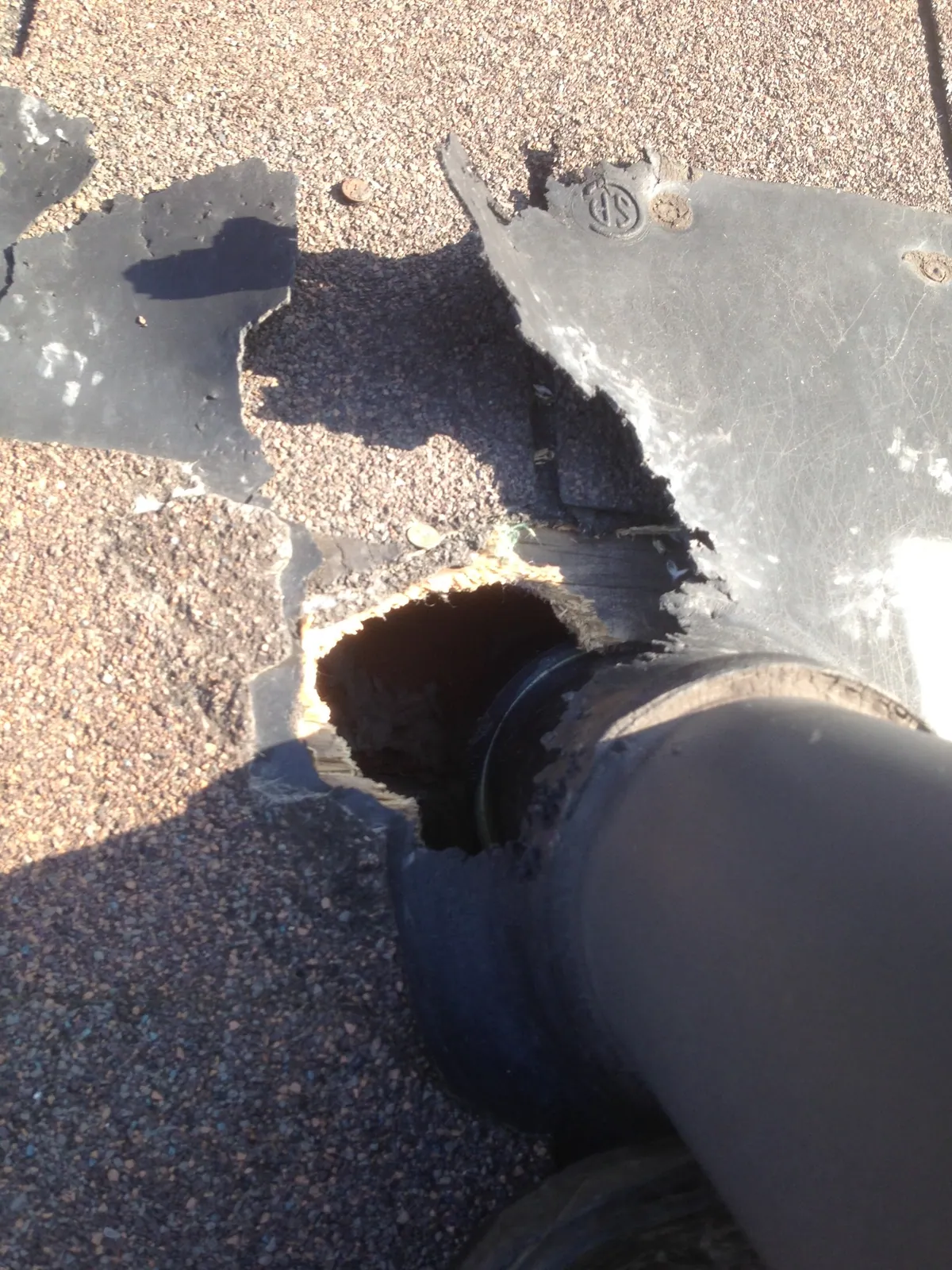
Discovering raccoons have invaded your Scarborough home can be unsettling. Knowing when to call raccoon removal professionals is crucial for a safe and effective resolution. You should call raccoon removal professionals immediately if you suspect raccoons are inside your living spaces, if young kits are present, or if you observe aggressive behaviour. Professional assistance is also warranted for persistent infestations, structural damage, or when you are unsure how to proceed safely.
For professional wildlife assistance, explore Raccoon Removal Scarborough.
Raccoons are common throughout Scarborough, from the urban areas near Kingston Road to the greener spaces around Rouge National Urban Park and the numerous ravines. These intelligent, adaptable animals often seek shelter and food in residential properties, especially during colder months or when raising their young. However, their presence can pose significant risks to both your property and your family’s health.
Key Signs of Raccoon Presence in Your Home
Identifying a raccoon problem early can prevent extensive damage and health hazards. Homeowners in Scarborough should look for several telltale signs:
- Unusual Noises: Listen for scratching, thumping, chittering, or squealing sounds, especially at night. These noises often come from your attic, chimney, walls, or under your deck.
- Damage to Property: Raccoons can cause substantial damage. Look for torn shingles, bent vents, chewed wires, displaced insulation, or ripped screens. They may also damage gardens or garbage bins.
- Feces and Urine: Raccoon droppings, often found in concentrated areas known as latrines, are distinct. They are typically dark, tubular, and contain undigested food. These areas also often have a strong, musky odour.
- Footprints: Raccoons have distinctive tracks with five long, slender toes on both front and back paws, resembling tiny human hands. You might spot these in mud, dust, or snow around your property.
- Sightings: While nocturnal, raccoons might be seen during the day, particularly if food is scarce or they are nursing young. A daytime sighting doesn’t necessarily mean rabies, but it’s a good indicator of their presence.
- Odours: A persistent, unpleasant smell, often described as musky or damp, can indicate urine and feces accumulation in hidden spaces.
Any combination of these signs suggests a raccoon infestation. Therefore, taking prompt action becomes essential to protect your home and loved ones.
Why Raccoons Choose Scarborough Homes
Scarborough’s mix of residential areas, mature trees, and natural ravines provides an ideal habitat for raccoons. They are opportunistic creatures, constantly searching for food, water, and shelter. Several factors make your home particularly attractive:
- Food Sources: Unsecured garbage bins, pet food left outdoors, fallen fruit from trees, and bird feeders are irresistible to raccoons.
- Shelter: Attics, chimneys, crawl spaces, sheds, and spaces under decks or porches offer safe, warm, and secluded environments for nesting and raising young. Older homes in areas like Guildwood or Bendale often have more entry points due to aging infrastructure.
- Water: Ponds, bird baths, or even leaky outdoor faucets provide accessible water sources.
- Easy Access: Raccoons are excellent climbers. They can use trees, trellises, downspouts, and even rough brickwork to reach rooftops and enter through damaged fascia, soffits, or vents.
Understanding these attractants helps in implementing preventative measures, reducing the likelihood of future infestations. However, once raccoons are inside, prevention shifts to removal.
Risks of Raccoon Infestations for Scarborough Homeowners
Having raccoons in your home carries several significant risks. Firstly, they can cause extensive and costly property damage. For example, raccoons chew through electrical wires, posing a fire hazard. They also tear insulation, damage ductwork, and contaminate spaces with urine and feces. This contamination often leads to unpleasant odours and costly cleanup.
Furthermore, raccoons can transmit diseases to humans and pets. Rabies is a serious concern, although less common than other risks. A more prevalent threat is Raccoon Roundworm (Baylisascaris procyonis), a parasite found in raccoon feces. Humans can become infected by accidentally ingesting microscopic roundworm eggs, leading to severe neurological damage or blindness. Likewise, raccoons can carry other parasites like fleas, ticks, and mites, which can then spread to your household pets.
Finally, raccoons can become aggressive, especially when cornered or protecting their young. Approaching them without proper training and equipment can result in bites or scratches, necessitating immediate medical attention. For all these reasons, it’s essential to respect their wild nature and not attempt to handle them yourself.
When to Call Raccoon Removal Professionals
While some homeowners might consider DIY solutions, there are clear situations when you must call raccoon removal professionals. Professional help ensures safety for everyone involved and guarantees effective, humane removal.
Consider professional intervention if:
- Raccoons are Inside Your Living Space: A raccoon inside your house is an emergency. It poses an immediate threat to family members and pets.
- Presence of Babies (Kits): Removing a mother raccoon without her babies is inhumane and often leads to the kits starving or dying, creating further problems. Professionals have the tools and knowledge to locate and reunite families.
- Aggressive or Sick Raccoons: If a raccoon appears disoriented, excessively aggressive, or exhibits other unusual behaviour, it may be sick. Do not approach it.
- Extensive Property Damage: If raccoons have caused significant damage to your roof, attic, or other structures, professional repair and remediation will be required after removal.
- Difficult-to-Access Areas: Raccoons often nest in hard-to-reach places like chimneys, wall voids, or deep within attics. These areas require specialized equipment and expertise for safe removal.
- Persistent Infestations: If you’ve tried basic deterrents without success, or if raccoons repeatedly return, it’s time to call in the experts.
- You Value Humane Treatment: Reputable companies use humane, ethical methods to remove raccoons, adhering to local wildlife regulations.
Ultimately, a professional assessment provides peace of mind. They can identify entry points, remove the animals safely, and offer lasting solutions to prevent future invasions. Therefore, when in doubt, it is always wise to call raccoon removal professionals.
Preventing Future Raccoon Problems
After removal, preventing raccoons from returning is paramount. Here are some actionable steps for Scarborough residents:
- Secure Garbage Bins: Use heavy, critter-proof garbage cans with tight-fitting lids. Store them indoors until collection day if possible.
- Seal Entry Points: Conduct a thorough inspection of your home’s exterior. Look for gaps in the roofline, loose soffits, damaged vents, or uncapped chimneys. Seal all openings larger than 2 inches.
- Trim Trees and Shrubs: Prune tree branches that overhang your roof, creating easy access for climbing raccoons. Keep shrubs away from your home’s foundation.
- Don’t Leave Pet Food Out: Feed pets indoors or remove food bowls immediately after use.
- Protect Gardens: Consider fencing or netting to deter raccoons from raiding vegetable patches.
- Install Chimney Caps: These are essential for preventing raccoons and other wildlife from entering your home through the chimney.
By proactively addressing these factors, you significantly reduce your home’s appeal to raccoons. Remember, a well-maintained home is your first line of defense against these persistent critters.
For additional information, consult Ontario government guidance on preventing conflicts with wildlife.

