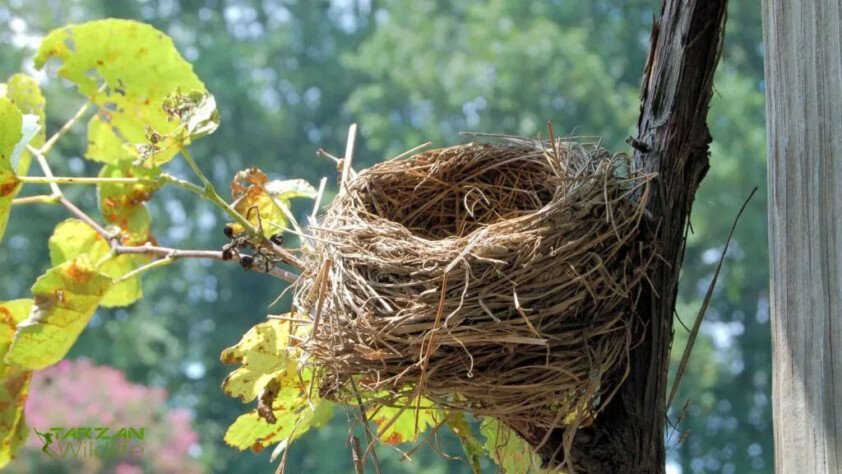
As North York spring arrives, many homeowners discover small bundles of twigs, grass, and leaves. Birds tuck these nests away in eaves, gutters, and trees. They choose these spots for nesting, and they can turn your property into a nursery. For example, a nest in a vent can block airflow. Therefore, you need a careful, humane, and legal approach. This guide shows you how to remove a bird nest safely and legally. In addition, it explains how to protect the birds and keep your home safe.
Can You Legally Remove Bird Nests in Canada?
In Canada, it is generally illegal to remove a bird’s nest if it contains eggs or chicks. It is best to wait until the babies have grown before you consider any action. However, if the nest poses a problem in certain areas, you may need a permit. For example, a nest above a building entrance or in a vent can create a hazard. Environment Canada can issue a permit to move the nest legally. The Fish and Wildlife Conservation Act of Canada outlines regulations to protect various species of birds. It ensures their safety and well-being. Therefore, before you take any steps, learn the legal requirements. In addition, consider the welfare of the birds involved.
When Is it Safe to Remove a Bird’s Nest?
Ever wondered when it is okay to remove a bird nest? Understanding the right time to act is key. First, check whether the nest is active. An active nest holds eggs or chicks. An inactive nest holds no eggs, no chicks, and no adult birds. In addition, look for signs of recent activity, such as fresh droppings or new nesting material. Only remove a nest when you are sure it is inactive. If you see eggs or chicks, wait. The birds need time to fledge and leave. After they leave, you can remove the nest safely. Finally, if a nest blocks a vent or creates a hazard, call a professional. Do not risk injury or harm to the birds.
- If the birds have abandoned the nest and no longer use it, you can remove it.
- If birds built the nest in a birdhouse, clean it out after the breeding season ends. Do this only after the birds have left.
- If the nest is inactive and shows no signs of recent bird activity, you can remove it.
- If the nest poses a safety hazard or an inconvenience, consider removing it. For example, a nest can block a vent.
- Consult local wildlife authorities or experts for guidance on when to remove a bird nest in your area.
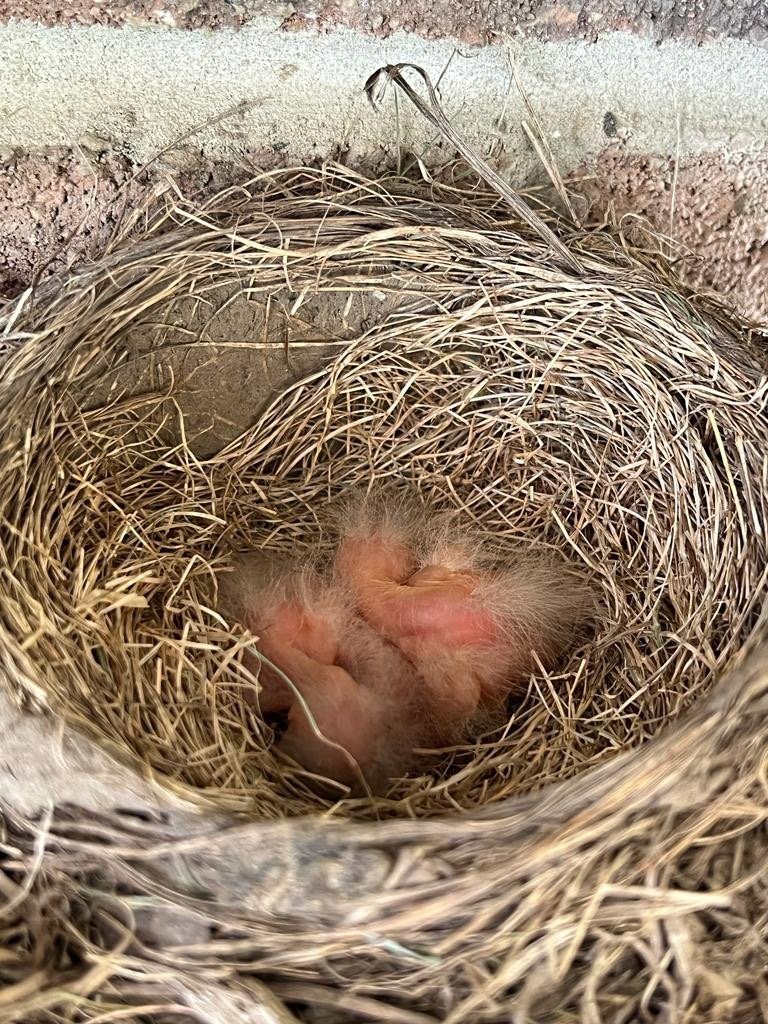
Remove a nest only when it is inactive and empty. First, watch the nest for several days. If no birds return, the nest is inactive. In addition, check for eggs or chicks before you touch it. If you find eggs or chicks, leave the nest alone. The law protects active nests. Finally, if a nest blocks a vent or a chimney, call a professional.
What Precautions Should Be Taken When Removing a Bird’s Nest?
When it comes to safely removing a bird’s nest, take a few key steps. First, note the nest’s location and the best way to reach it safely. Use a putty knife or a similar tool to lift the nest gently. Always wear gloves and protective clothing. Gloves protect you from droppings and parasites. After you remove the nest, dispose of it in a compost pile or a sealed bag. Finally, sanitize the area to prevent health risks.
Next, prioritize personal safety during the removal process. Wear gloves at all times. Gloves protect you from health risks linked to bird droppings or parasites. In addition, wear protective clothing. It keeps droppings and parasites off your skin and clothes.
Tarzan Wildlife: Your Solution for Bird Removal Services in Canada
Have you ever found birds invading your home and causing chaos and discomfort? Our team at Tarzan Wildlife is here to help. We specialize in humane bird removal services. Our experienced professionals assess the situation and give you the best solution for your needs. Tarzan Wildlife Inc. shows homeowners how to remove a bird nest safely, and we do the work when you need help. For example, see our bird nest removal in Toronto service. We also offer bird nest removal in Mississauga. Whether the nest sits in a tricky location or you need advice, our professionals are here to help.
How to Remove a Bird Nest Safely: A Comprehensive Guide
Birds are fascinating creatures that add beauty and life to our environment. However, when birds decide to build their nests in or around your home, they can become a nuisance. From health risks to property damage, bird nests can cause a variety of problems. Therefore, understanding when and how to remove a bird nest safely and legally is crucial for every homeowner.
In this comprehensive guide, we will walk you through the steps to safely and legally remove a bird nest. First, we cover the legal considerations. Next, we explain the best time to remove a nest. Finally, we give you the steps to follow for safe removal.
Why You Should Consider Removing a Bird Nest
Bird nests, while natural and important for birds, can cause problems for homeowners. Some common reasons to remove a bird nest include:
- Health and Safety Concerns: Bird nests can harbour bacteria, parasites, and disease. They can carry mites, fleas, and ticks. In addition, droppings can spread disease. Remove a nest to protect your health. Also, remove it to keep your home safe.
- Damage to Property: Birds sometimes build nests in areas that can cause damage. For example, a nest in a roof or chimney can block gutters and vents. It can also damage roofing and insulation. In addition, nesting materials can create a fire risk. Remove a nest before it causes costly damage.
- Disturbance: Birds can be noisy, especially during the breeding season. If their nest sits near a window or door, their chirping can disrupt your sleep. In addition, their activity can disturb your daily routine. A nest near a bedroom can cause sleepless nights.
- Legal and Environmental Concerns: Some birds have legal protection. The law may protect their nests as well. Therefore, check local regulations before you remove a nest. In addition, consider the impact on the environment. Remove a nest responsibly and humanely.
The Legal Considerations: Are You Allowed to Remove a Bird Nest?
Before you attempt to remove a bird nest, learn the legal framework around bird protection. Different countries have different laws. Violating them can result in hefty fines.
- The Migratory Bird Treaty Act (MBTA): In the United States, the Migratory Bird Treaty Act protects most native birds. It also protects their nests, eggs, and feathers. The law prohibits nest removal without a permit. Therefore, you need a permit from the U.S. Fish and Wildlife Service before you remove a protected nest.
- Protection in Canada: In Canada, the Migratory Birds Convention Act protects migratory birds and their nests. It also protects their eggs. The law prohibits nest removal without authorization. Therefore, you need a permit before you remove a protected nest.
- Protected Species in the UK: In the UK, the Wildlife and Countryside Act 1981 protects all wild birds. It also protects their nests and eggs. The law makes it an offence to damage or destroy an active nest. Therefore, check local rules before you act.
When Can You Remove a Bird Nest?
Although laws vary, the general rule is clear. Avoid disturbing bird nests during the breeding season. If you must remove a nest, do so outside the breeding season. Or wait until the young have fledged.
- Inactive Nests: You can generally remove a bird nest if it is no longer active. First, check for eggs, chicks, or adult birds. If the nest is empty and the birds have left, you can remove it. In addition, do this outside the breeding season when possible.
- Active Nests: If the nest contains eggs or chicks, removal is not only illegal. It is also harmful to the birds. In addition, the law protects the nest. Wait until the young have fledged and left the nest. Then you can remove it safely.
- License for Nest Removal: In some cases, you need a license or permit to remove a nest. For example, a nest may sit in a hazardous location. Or it may belong to a protected species. In that case, contact local wildlife authorities for a permit.
Steps for Safely Removing a Bird Nest
If the nest is inactive, you have checked the legal considerations, and you are prepared to remove it, follow these steps. Follow them to learn how to remove a bird nest safely. First, assess the situation. Next, gather the right equipment. Then remove the nest carefully. Finally, prevent future nesting.
Step 1: Assess the Situation
- Determine if the nest is active: Look for signs of activity, such as birds coming and going. If you see birds, especially during the breeding season, the nest is likely active.
- Check for eggs or chicks: If there are eggs or chicks, do not disturb the nest. If you are unsure, contact a local wildlife expert for advice.
Step 2: Gather the Right Equipment
To safely remove the nest, you will need the following equipment:
- Protective gloves: Wear gloves to avoid direct contact with the nest or any parasites. Birds can carry mites, fleas, and ticks.
- Tools for nest removal: If the nest sits in an accessible location, such as a tree or shrub, use a long-handled tool like a rake to lift it gently.
- Storage container: If you plan to relocate the nest, have a suitable container ready, such as a box or basket, to transport it safely.
- Disinfectant: If the nest sits inside your home, like an attic or chimney, disinfect the area after removal. This prevents the spread of disease.
Step 3: Safely Remove the Nest
- Approach the nest carefully: Be gentle when you approach the nest. Avoid startling any birds that may be nearby. Keep a safe distance.
- Remove the nest: If the nest sits in a tree or bush, use a rake or broom to lift it gently. For nests in eaves, chimneys, or other hard-to-reach places, use a long-handled tool or call a professional.
- Relocate the nest (if needed): If the nest sat in a dangerous or inconvenient location, move it to a nearby tree or bush. Make sure the new location is safe and suitable for the birds.
- Clean the area: After removal, clean the area thoroughly. Use a disinfectant to clean surfaces in your home, especially if the nest was inside.
Step 4: Prevent Future Nesting
After you remove the nest, take several measures to prevent future bird nests from forming on your property.
- Seal entry points: If birds nested inside your attic, chimney, or walls, seal any cracks or gaps where they could enter.
- Install bird deterrents: For outdoor areas like eaves or balconies, install bird deterrents such as spikes, netting, or reflective tape.
- Trim trees and shrubs: Birds often build nests in trees. Trim overhanging branches or shrubs near your house. This reduces the chance of nests forming.
- Install birdhouses: If you want to encourage birds to nest nearby but away from your home, set up birdhouses in your yard.
Common Locations for Bird Nests and How to Handle Them
Nests in Attics or Roofs
Birds often seek out attics or roofs for nesting. These spaces provide warmth and protection. If you find a nest in your attic or roof, here is what to do:
- Check for active nests: Check for signs of eggs or chicks before you remove the nest. If the nest is active, wait until the birds have left.
- Seal entry points: After you remove the nest, seal any gaps or cracks in your roof or attic. This prevents future nesting.
Nests in Chimneys
Birds, especially sparrows and swallows, often nest in chimneys. If a bird has made a nest in your chimney, follow these steps:
- Check the nest: If it is active, wait until the birds have left before you remove it.
- Install a chimney cap: After you remove the nest, install a chimney cap. This prevents birds from entering in the future.
Nests in Trees or Bushes
Nests in trees or bushes are generally easy to remove if the nest is inactive. Simply follow the steps for gently removing the nest and relocating it to a safe place. First, check that the nest is empty. Then lift it gently and move it to a safe spot nearby.
Hiring a Professional Bird Removal Service
If you are unsure how to remove a bird nest safely, hire a professional. This is the best choice when the nest sits in a difficult-to-reach location. A professional wildlife control or pest removal service handles bird nests in line with local laws. In addition, these experts have the equipment to remove nests safely.
A professional service also helps you with legal considerations. It removes the nest correctly, without harming the birds or breaking any regulations. For local help, see our bird nest removal in North York service.
Conclusion
Removing a bird nest safely and legally requires careful thought. You must consider the birds’ welfare and your property’s safety. By following the steps above, you can learn how to remove a bird nest safely and legally. In addition, check the legal requirements and use the right tools and precautions. As a result, you can remove a nest in a way that minimizes harm to the birds. You can also keep your property safe from damage.
Remember, always approach bird nest removal ethically. When in doubt, contact a professional wildlife service. By taking proactive measures, you can prevent future nesting issues. For example, seal entry points and install bird deterrents. In addition, these steps create a harmonious living space for you and the birds around you.